
🌙 Welcome, young astronomers! Are you ready to embark on a cosmic journey? Today, we’re strapping on our imaginary rocket boots and setting sail for the Moon—a celestial neighbor that has fascinated humans since time immemorial. One of our families favorite activity is tracking the moon and it’s phases over a 30 day period. And did you know that February is considered the Lunar Rebal?
The Moon’s Shape-Shifting Act
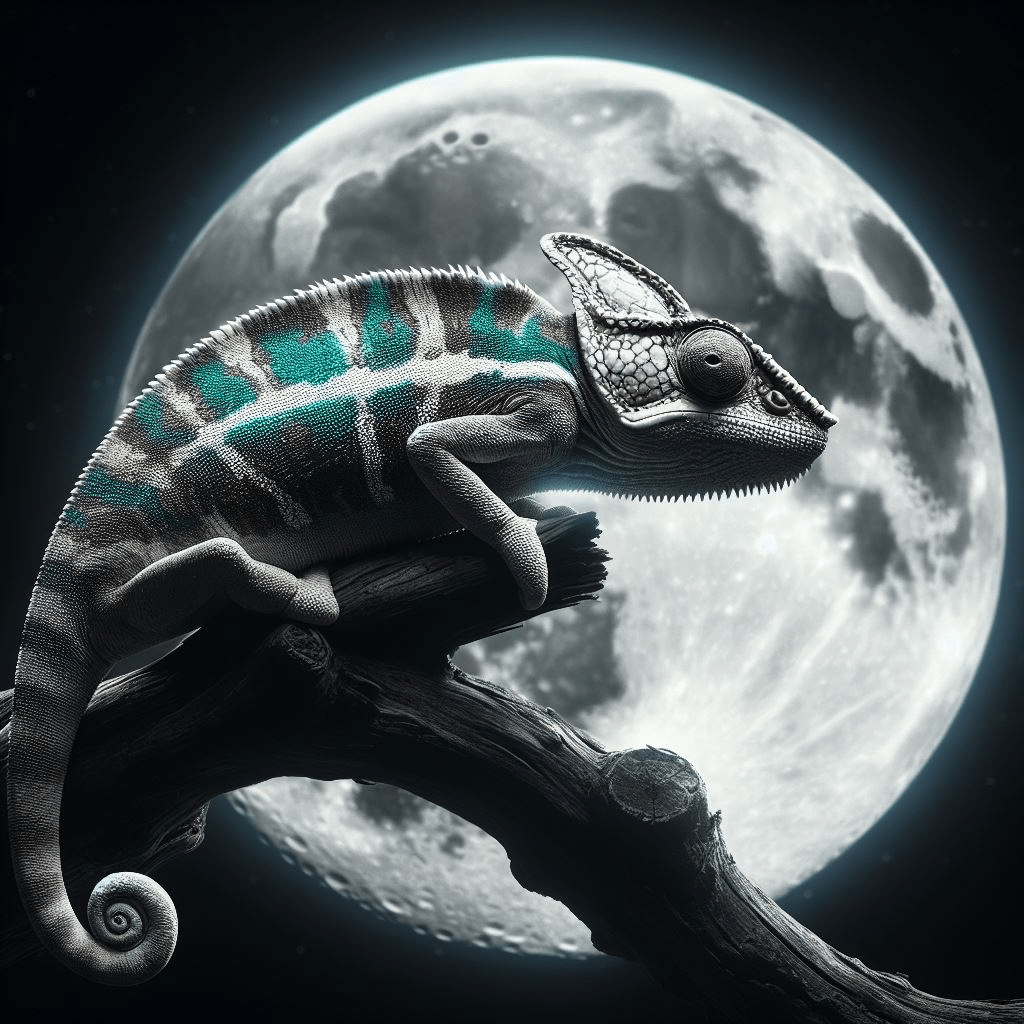
Imagine the Moon as a cosmic chameleon, changing its appearance every few days. Sometimes it’s a sliver of light, barely visible. Other times, it’s a full, round beacon that makes werewolves howl (okay, maybe not really). These shape-shifting antics are what we call the Moon’s phases.
The Eight Magical Phases
- New Moon (🌑): The Moon hides in the Sun’s shadow, like a cosmic ninja. It’s so secretive that we can’t see it at all!
- Waxing Crescent (🌒): A tiny crescent appears, like a cosmic smile. It’s the Moon’s way of saying, “Hey, I’m back!”
- First Quarter (🌓): Half of the Moon is lit up, like a cosmic cookie. Mmm, lunar cookies!
- Waxing Gibbous (🌔): The Moon grows plumper, like a cosmic banana. (Yes, bananas can be cosmic too.)
- Full Moon (🌕): Ta-da! The whole Moon shines like a cosmic spotlight. It’s party time for werewolves and poets!
- Waning Gibbous (🌖): The Moon starts slimming down. Imagine it doing cosmic yoga.
- Third Quarter (🌗): Another half-moon, but this time it’s the left side that’s lit. Cosmic symmetry!
- Waning Crescent (🌘): The Moon bids us farewell, fading into cosmic dreams.
So why is February a Lunar Rebel?
Guess what? February is the Moon’s favorite month for mischief. Sometimes, it decides to skip the full moon altogether! Imagine a month without a full moon—like a missing puzzle piece in the cosmic jigsaw.
The Snow Moon, a traditional name for the February Full Moon by a Native American tribes described it this way as it aligns with the heavy snowfall experience in the United States during this time. The next Snow Moon will grace our skies on February 12, 2025, at 8:53 a.m. EST. But wait, there’s more! If you’re eager to witness the Snow Moon sooner, mark your cosmic calendar for February 24, 2024, when it reaches its peak at 7:30 a.m. EST. So, little stargazers, grab your telescopes, pack your lunar snacks (moon cheese, anyone?), wrap up in cozy blankets, and get you Moon Observation Journal and let’s explore the Moon’s magical phases together.
Moon Observation Journal
Materials Needed:
- Our Moon Observation Journal Get it HERE
- Pencils, colored pencils, or markers
Instructions:
- Set Up Your Journal:
- Find a cozy spot where you can observe the Moon each night.
- Label your journal with the month and year.
- Observe the Moon:
- Look up at the sky during the evening or night.
- Note the Moon’s appearance:
- Is it visible? (Yes/No)
- What shape does it look like? (Crescent, half-moon, full moon, etc.)
- Draw What You See:
- Use your pencils or colored pencils to draw the Moon’s phase.
- Be creative! Add details like stars or clouds around the Moon.
- Add Descriptions:
- Write a few sentences about how the Moon looks:
- Is it bright or faint?
- What color is it?
- Any interesting features you notice?
- Write a few sentences about how the Moon looks:
- Repeat Every Night:
- Continue observing and recording the Moon’s appearance each night.
- Try to observe at the same time each evening.
- Reflect and Learn:
- At the end of the month, look back at your journal.
- What patterns did you notice? Did the Moon change shape?
- Share your observations with friends or family!
Remember, observing the Moon is like being a space detective! Have fun exploring the lunar phases and discovering the Moon’s secrets. 🌙✨
Recommended Videos & Products
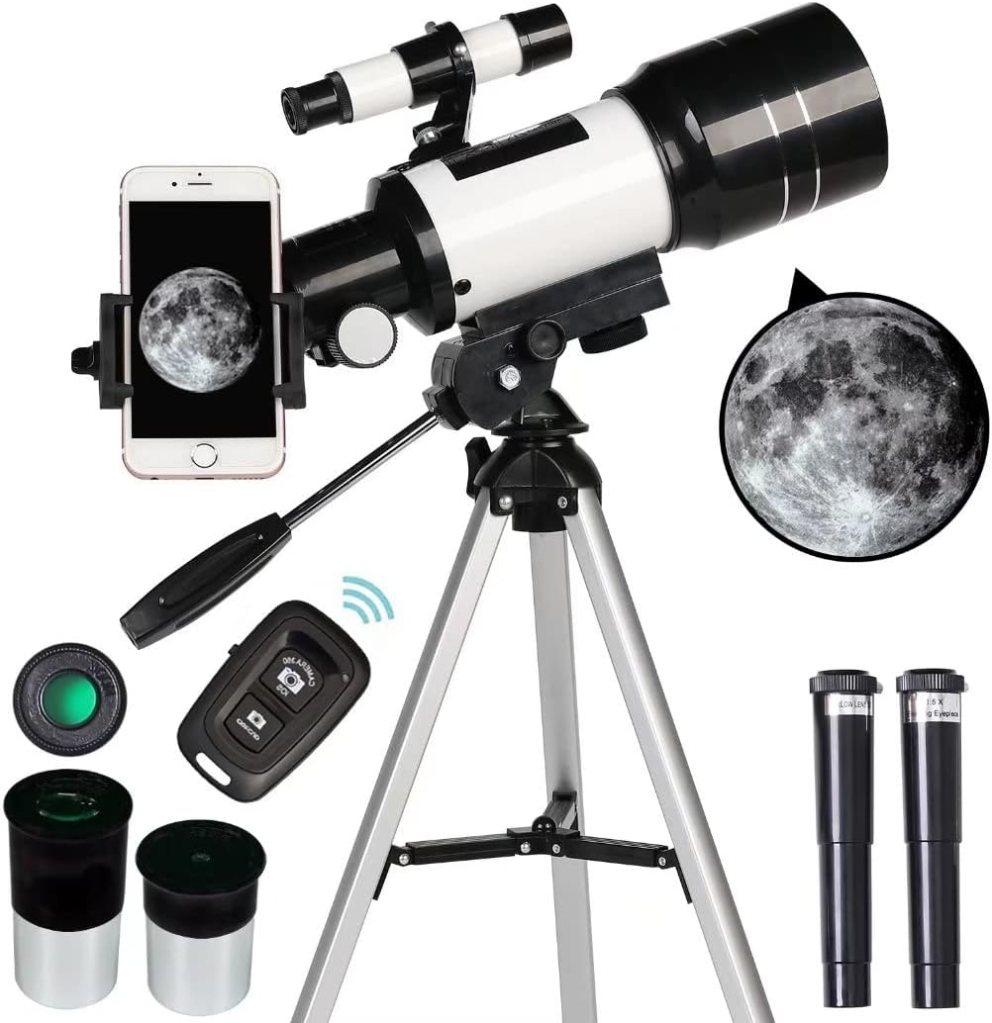
We also recommend having a telescope for this project. This is our favorite that works great and is affordable. It is a great Telescope for the entire family.
Telescope for Adults & Kids, 70mm Aperture Refractor (15X-150X) Portable Travel Telescope with Phone Adapter & Wireless Remote, Astronomy Beginners Gifts, Black
Would you like to learn more about the moon? We love the YouTube Video by Learning Junction. Check it out here
 Education With Parents
One response to “Lunar Adventures: Discovering the Moon’s Magical Phases”
[…] case you missed it, be sure to check out our Moon Observation journal here for all the fascinating details and insights from our lunar […]
LikeLike