
Recommended Grades: All ages
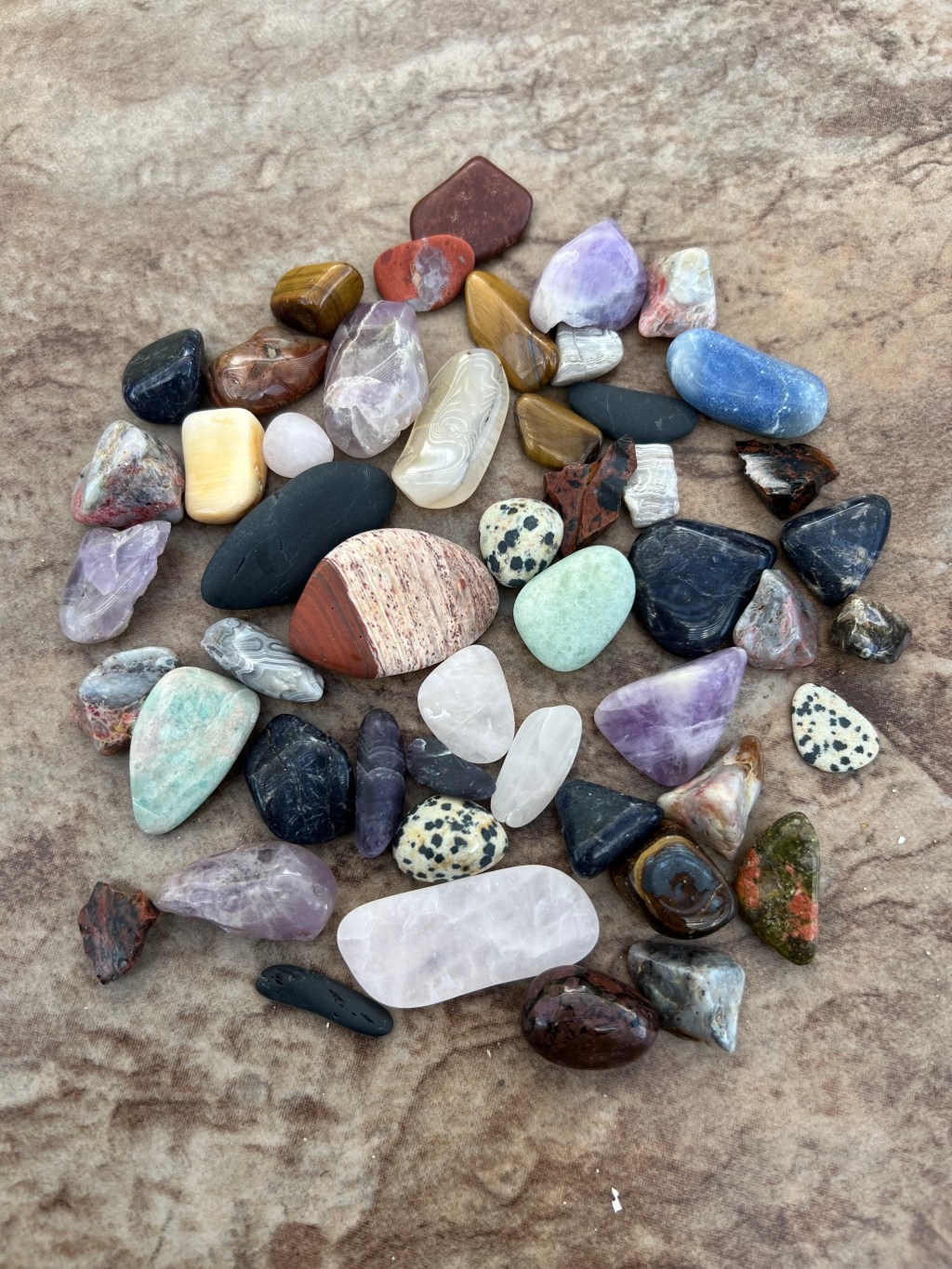
We made it! Our minerals have been tumbling for over 10 days using the final grit step and we are ready to see our beautiful gems! We are also excited to see what the kids create with the polished gems, be it jewelry or some other decorative artwork.
So what does it take for a mineral to be considered a gemstone? If you have been following along, we learned in Part I that some minerals are valued based on physical properties such as color, luster and hardness. Minerals are also valued based on their rarity.
Traditionally there have been two kinds of gemstones: precious and semi-precious. Gemologist (someone who specializes in gems) used to consider the Big Four gemstones (diamonds, emeralds, rubies, and sapphires) as the precious gemstones. Everything else was semi-precious. Today’s gemologist typically don’t use these terms anymore because they imply that some gems are better or worth more than others. This is not always true.
Finally, have you noticed that we’ve used the terms gemstones and gems? Do you know the difference? A gemstone is used to define a mineral in its raw (uncut or unpolished) form. A gemstone that has been cut, polished, or used in jewelry or some other decorative purpose is called a gem.
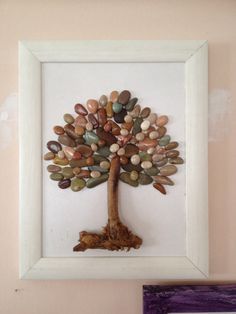
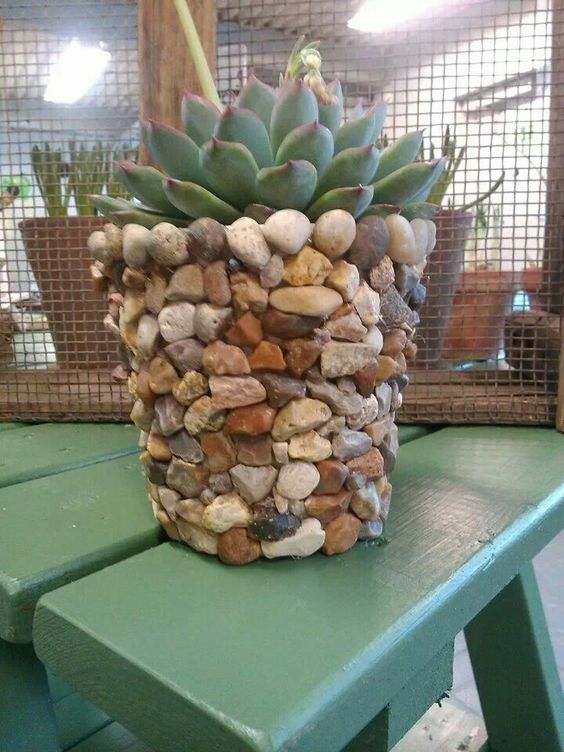
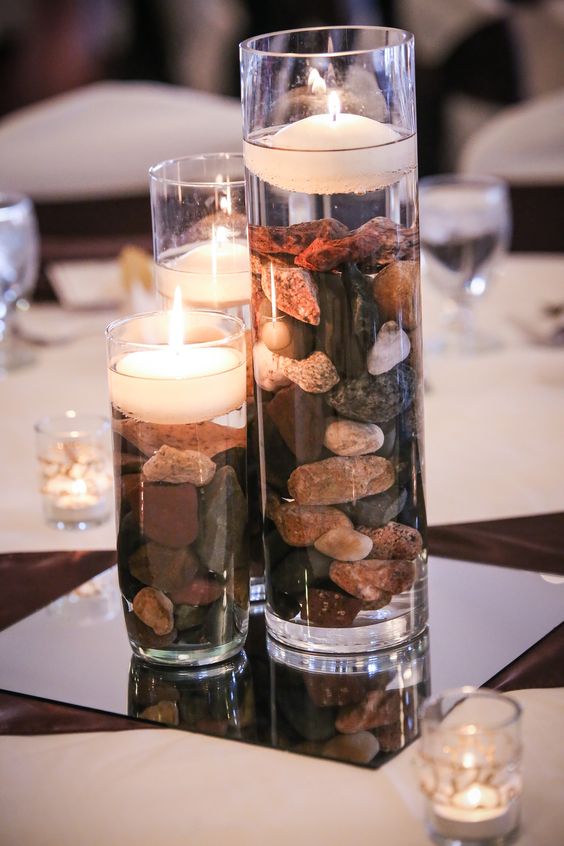
What will you create with your gems? Check out the images and links below for a few creative ideas.
Fairy House & Garden
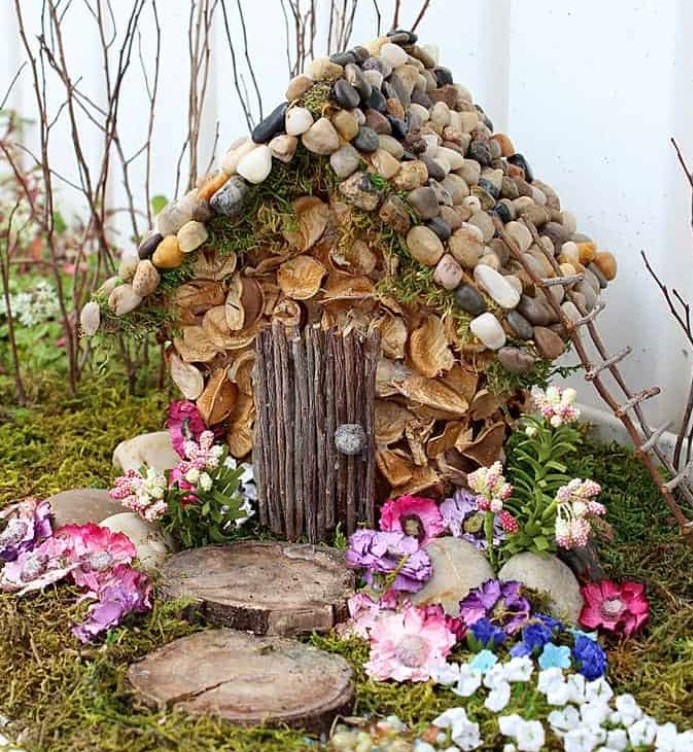
We love our fairy garden and love the idea of making our very own fairy house with all our favorite rocks. Check out this link to see how!
Garden Gemston Sun Catcher

How fun are these gemstone sun catchers! What a great way to display your gem collection. Check out this link below to see how to make yours!
Jewelry
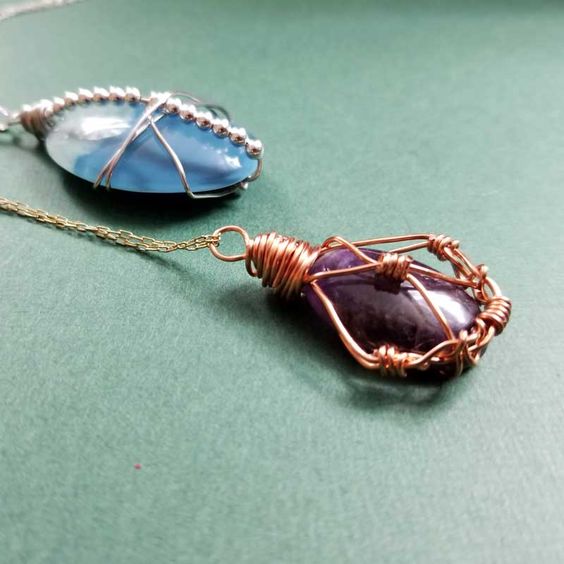
Of course, a popular option is to make your gemstones into jewelry. We love this tutorial on wire wrapping your gemstones. Check it out below.
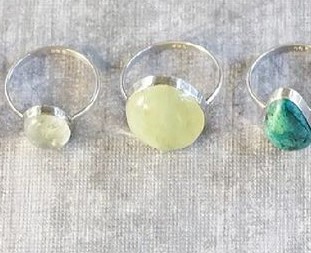
You can also make your own crystal rings! What a great idea! check out this tutorial below!
Framed Gem Art


Gem Crafts

 Education With Parents